
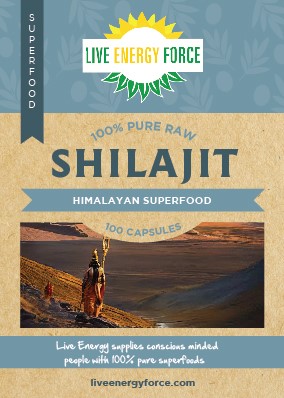
100% Pure Raw Shilajit
Over 80 minerals, vitamins, powerful C60 antioxidant, Fulvic acid and more helpful nutrients for better health and anti-aging.
Benefits of Shilajit are unmatched: Increased energy, immune boosting, detoxing , brain protective, lowers cortisol levels means more relaxed and less stressed. Increased oxygen, hormone support , better absorption of nutrients from the high Fulvic acid levels.
Our Shilajit Himalayan superfood is Simply life changing.
Shilajit - more than a supplement
Why Resin Is Considered Superior
Authentic Shilajit occurs naturally as a mineral-rich resin that slowly seeps from mountain rock. This resin contains delicate bioactive compounds that can be diminished through excessive drying, dilution, or over-processing.
Resin form preserves the natural synergy of fulvic acid, humic compounds, trace minerals, and plant-derived nutrients. While powder may offer convenience, resin is widely regarded in traditional systems as the most potent and energetically intact form.
For those seeking the highest level of purity, mineral density, and heritage integrity, resin remains the gold standard.

Shilajit – Origin, History, Composition & Traditional Benefits
Shilajit is one of the most revered substances in traditional wellness systems, particularly Ayurveda, where it is known as a natural rejuvenator and restorative tonic. Often called “the destroyer of weakness,” Shilajit is a sticky, resinous mineral exudate formed over centuries by the slow decomposition of plant matter trapped within layers of mountain rock. Under intense geological pressure and temperature changes, these plant materials transform into a nutrient-rich mineral resin that seeps from rock fissures during warmer months. This rare, naturally occurring process makes Shilajit a uniquely potent concentration of organic minerals, fulvic acid, humic compounds, amino acids, and bioactive trace elements.
Origins and Historical Use
The earliest documented use of Shilajit dates back thousands of years in India and Tibet, where mountain peoples observed that wild animals—particularly large Himalayan monkeys—became unusually strong and energetic after consuming the resin that oozed from cliff faces. This discovery led to its integration into Ayurvedic practice, where Shilajit was classified as a Rasayana, a category of substances believed to support longevity, vitality, and metabolic balance.
Throughout history, Shilajit has been referenced in classical Ayurvedic texts, including the Charaka Samhita and Sushruta Samhita, where it was recommended to enhance strength, stamina, cognitive function, and overall resilience. Traditional practitioners also believed it acted as a carrier substance or “Yogavahi,” meaning it could enhance the absorption of other herbal compounds when taken together.

Where Shilajit Is Found
High-quality Shilajit is sourced from mountainous regions where altitude, pressure, and temperature conditions support its formation. The most respected and potent varieties typically come from:
- The Himalayan mountain ranges (Nepal, India, Bhutan)
- The Altai Mountains (Russia, Mongolia)
- The Caucasus Mountains (Georgia, Azerbaijan)
- The Tian Shan mountains (Central Asia)
Himalayan and Altai Shilajit are considered among the highest grade due to their purity, altitude, and mineral profile.
What Shilajit Contains
Shilajit is prized for its dense concentration of naturally occurring compounds. Its key components include:
Fulvic Acid
A powerful organic acid that enhances nutrient transport, supports cellular energy production, and improves mineral absorption.
Humic Acid
Known for its antioxidant activity and ability to support detoxification and immune balance.
Over 80 Trace Minerals
Including magnesium, zinc, iron, copper, selenium, potassium, and manganese—many of which are essential for metabolic function and healthy ageing.
- Dibenzo-alpha-pyrones (DBPs)
- Bioactive compounds believed to support energy, endurance, and recovery.
- Amino Acids & Plant-Based Phytonutrients
These contribute to Shilajit’s restorative and balancing properties.
How Shilajit Is Processed and Prepared
Raw Shilajit, as it emerges from the rock, often contains dust, sand, and various impurities. Traditional purification methods involve several stages:
Collection: Resin is harvested from rock crevices at high altitudes.
Dissolution: Raw material is dissolved in pure spring or glacier water.
Filtration: Multiple filtration stages remove physical impurities.
Purification: The liquid is gently heated to evaporate moisture and enhance potency without degrading nutrients.
Concentration: The purified resin is reduced to a thick, tar-like extract.
Testing: Modern producers test for heavy metals, microbes, and contaminants.
High-quality Shilajit is typically available as a resin, powder, or tincture, with resin considered the closest to its natural state.
Benefits of Shilajit: Traditional and Studied
Energy & Vitality
Shilajit is traditionally used to support stamina, recovery, and metabolic energy. Fulvic acid and DBPs are believed to help mitochondrial function, which may explain its energising effects.
Mineral Replenishment
Its broad mineral profile may help support hydration, electrolyte balance, bone strength, and general wellbeing.
Cognitive Support
In Ayurvedic practice, Shilajit has long been used to promote mental clarity, focus, and stress resilience.
Healthy Ageing
Its antioxidant compounds, including fulvic and humic acids, may help combat oxidative stress and support natural cellular repair processes.
Shilajit – Origin, History, Composition & Traditional Benefits
Shilajit is one of the most revered substances in traditional wellness systems, particularly Ayurveda, where it is known as a natural rejuvenator and restorative tonic. Often called “the destroyer of weakness,” Shilajit is a sticky, resinous mineral exudate formed over centuries by the slow decomposition of plant matter trapped within layers of mountain rock. Under intense geological pressure and temperature changes, these plant materials transform into a nutrient-rich mineral resin that seeps from rock fissures during warmer months. This rare, naturally occurring process makes Shilajit a uniquely potent concentration of organic minerals, fulvic acid, humic compounds, amino acids, and bioactive trace elements.
Origins and Historical Use
The earliest documented use of Shilajit dates back thousands of years in India and Tibet, where mountain peoples observed that wild animals—particularly large Himalayan monkeys—became unusually strong and energetic after consuming the resin that oozed from cliff faces. This discovery led to its integration into Ayurvedic practice, where Shilajit was classified as a Rasayana, a category of substances believed to support longevity, vitality, and metabolic balance.
Throughout history, Shilajit has been referenced in classical Ayurvedic texts, including the Charaka Samhita and Sushruta Samhita, where it was recommended to enhance strength, stamina, cognitive function, and overall resilience. Traditional practitioners also believed it acted as a carrier substance or “Yogavahi,” meaning it could enhance the absorption of other herbal compounds when taken together.
How Shilajit Is Processed and Prepared
Raw Shilajit, as it emerges from the rock, often contains dust, sand, and various impurities. Traditional purification methods involve several stages:
- Collection: Resin is harvested from rock crevices at high altitudes.
- Dissolution: Raw material is dissolved in pure spring or glacier water.
- Filtration: Multiple filtration stages remove physical impurities.
- Purification: The liquid is gently heated to evaporate moisture and enhance potency without degrading nutrients.
- Concentration: The purified resin is reduced to a thick, tar-like extract.
- Testing: Modern producers test for heavy metals, microbes, and contaminants.
High-quality Shilajit is typically available as a resin, powder, or tincture, with resin considered the closest to its natural state.
Shilajit – Key Scientific References
Carrasco-Gallardo et al. (2012) – Shilajit: a natural phytocomplex with potential procognitive activity.
Cornejo et al. (2011) – Fulvic acid inhibits aggregation and promotes disassembly of tau fibrils.
Carrasco-Gallardo et al. (2012) – Nutraceutical perspectives on Shilajit and cognitive health.
Shilajit FAQs
-
What is shilajit?
Shilajit is a natural mineral resin found in high mountain ranges, traditionally used to support energy, vitality, and nutrient absorption. Shilajit is a natural mineral resin formed over centuries from decomposed plant matter in high mountain ranges. It contains fulvic acid, humic compounds, trace minerals, and bioactive nutrients.
-
What is fulvic acid in shilajit?
Fulvic acid is a natural compound that helps transport minerals at the cellular level, supporting energy and nutrient uptake.
-
How do I take shilajit resin or powder?
Dissolve a pea-sized amount in warm water, tea, or milk. Do not use boiling water.
-
Is shilajit good for energy?
Many people use shilajit to support natural energy production, stamina, and recovery.
-
Where does high-quality Shilajit come from?
The most potent Shilajit traditionally comes from the Himalayas, Altai, Caucasus, and other high-altitude mountain regions where pressure and temperature conditions create an exceptionally mineral-rich resin.
-
How is Shilajit made safe to use?
Raw Shilajit undergoes purification. It is dissolved, filtered, gently heated, and tested for contaminants to ensure purity, potency, and safety before becoming a resin or powder.
-
What does Shilajit contain?
It contains fulvic acid, humic acid, over 80 trace minerals, amino acids, antioxidant compounds, and natural phytonutrients that support cellular energy and general wellbeing.
-
What are the benefits of Shilajit?
Shilajit is traditionally used to support energy, vitality, cognitive clarity, and healthy ageing. It may help nutrient absorption due to its fulvic acid content. Effects vary from person to person.
-
Is Shilajit safe for daily use?
Many people take Shilajit daily. Those who are pregnant, breastfeeding, or taking medication should consult a health practitioner first.
-
Why is fulvic acid important?
Fulvic acid helps transport minerals and nutrients into cells, supports mitochondrial energy production, and assists natural detoxification pathways.
-
What does Shilajit taste like?
Shilajit has a strong, earthy, mineral-rich taste that reflects its natural origin. Many users mix it with warm drinks.
-
How long does it take to feel the effects?
Some people notice changes in energy or clarity quickly, while deeper benefits may take weeks of consistent use.
-
Can Shilajit be taken with other supplements?
Yes. Traditionally, Shilajit is considered a “carrier” that enhances absorption of other herbs, though this varies individually.
-
How should Shilajit be stored?
Store in a cool, dry place away from direct sunlight. Resin may soften slightly in warmer environments.